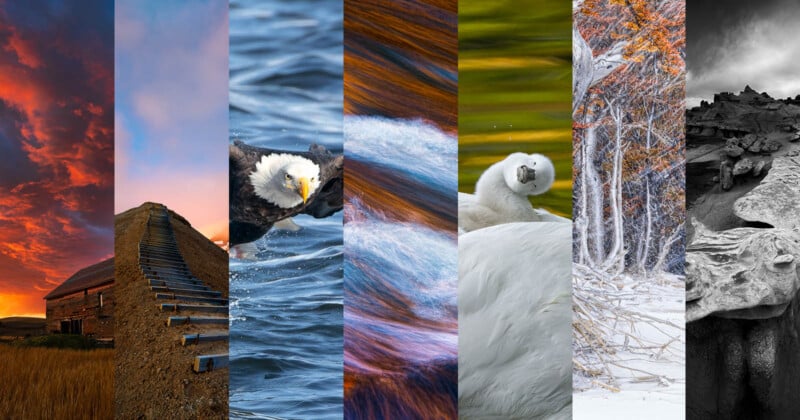
Photography is a visual language, and just like any language, it has rules and building blocks that make communication clearer and more meaningful. When photographers talk about artistic structure, they often refer to the seven elements of photography. These elements guide how an image is composed, how light is used, and how emotion is expressed. No matter which camera or lens someone uses, understanding these elements makes photography more intentional rather than accidental.
Many professionals, including creative teams at Fusion Max, consider these elements essential because they help both beginners and advanced photographers build strong visual storytelling skills. With so many images being captured every day, these elements act as a foundation that separates ordinary pictures from thoughtful photography.
Understanding the seven visual elements
The seven elements of photography are line, shape, form, texture, color, pattern and space. These elements came from traditional fine arts but became core concepts in photography as visual storytelling evolved. When applied consciously, they allow a photographer to guide the viewer’s eye and create images that feel structured, emotional and meaningful.
Each element influences how a photograph is interpreted. Some elements add depth, others add emotion, and some help establish balance. Learning these concepts step by step helps a photographer see more creatively and capture photographs that express feeling instead of only documenting scenes.
Line
Lines are everywhere in photography. Roads, buildings, shadows, and natural landscapes contain lines that direct attention. The human eye naturally follows lines, which means a photographer can control where the viewer looks. A line can lead toward a subject, draw attention to details, or guide the eye throughout the frame.
Vertical lines feel strong, horizontal lines feel calm, and diagonal lines create movement. Even curved lines add softness or elegance, especially in portrait and wedding photography. When photographers learn to notice these shapes in everyday scenes, they start composing more dramatically without needing expensive gear.
Shape
Shape refers to the two-dimensional outline of subjects in an image. It can be geometric like architecture or organic like natural scenery. Shape helps define objects and creates a silhouette effect when shooting against bright light.
Even simple compositions become powerful when shape is used creatively. A building can look graphic, a person can appear iconic, or an object can become symbolic simply based on how its shape is captured. Many street photographers in Pakistan explore shapes when photographing shadows against historic architecture or modern city structures.
Form
Form is the three-dimensional representation of objects. While shape is flat, form adds depth. Light and shadow play a major role in turning shape into form. A soft light wraps around a person’s face, revealing curves, while a strong side light adds dramatic contrast.
Understanding form helps photographers shape realism and volume, which is especially important in portrait and product photography. Many beginners only capture flat light, but once they study shadows, they learn how light sculpts subjects in a more artistic way.
Texture
Texture describes how a surface feels visually. The roughness of stone, the softness of skin, or the grain of wood all show texture. Photographers often use close-up shots, side lighting, or macro lenses to exaggerate texture for dramatic effect.
Texture can also add storytelling. A cracked wall in an old city might express history, while smooth metal in a product shot might express modern luxury. Even in wedding photography, fabric and skin textures contribute to the emotional feel of an image.
Color
Color is one of the strongest emotional elements. Warm colors feel energetic, while cool tones feel calm. Color theory helps photographers choose a mood using complementary or analogous colors.
Color also helps establish brand identity, which is why businesses and creative studios, including Fusion Max, pay attention to consistent tone and color palettes in their photography. Even nature photography changes mood depending on the color temperature of the light. Sunset tones feel romantic, while midday sunlight feels neutral and documentary.
Pattern
Pattern is the repetition of elements such as shapes or textures. Repetition builds rhythm inside an image. Pattern can be obvious, like repeating windows on a building, or subtle, like repeating colors in clothing or background objects.
Some photographers create pattern intentionally, while others simply observe and capture naturally occurring repetition. Patterns exist everywhere in Pakistan’s architectural designs, traditional fabrics and cultural spaces.
Space
Space refers to the distance around and between subjects inside a photograph. Positive space contains the subject, while negative space contains empty background. When space is used intentionally, it helps create focus, storytelling and balance.
Minimalist photographers often use negative space to create calm compositions, while busy street photographers use limited space to show intensity and movement. Understanding space is essential for framing portraits, landscapes, and fashion photography.
Why these elements matter for photographers in Pakistan
Photography in Pakistan is extremely diverse. From wedding events to street portraits and natural landscapes, photographers work with different subjects that demand creative thinking. The seven elements help them structure visual decisions instead of relying only on equipment.
Even when visiting a camera shop in lahore, many beginners learn that gear can help, but understanding visual design helps more. The real artistry begins when someone sees lines, textures, patterns and colors before lifting a camera. By practicing these elements, photographers develop signature visual style, which is valuable in a growing media industry.
Developing style through practice and awareness
Instead of trying to memorize theory, photographers improve by seeing these elements in everyday scenes. Observing light on buildings, patterns in streets, and colors during golden hour teaches more than technical manuals.
With time, photographers in Pakistan start developing personal style and editing preferences. Some prefer soft colors, others dramatic shadows. Artistic direction becomes clearer when these seven elements guide decisions. Professionals often explore more lenses and lighting accessories in the camera market lahore once they begin refining style in a more serious way.
Conclusion
The seven elements of photography provide structure for visual creativity and artistic expression. Line guides the eye, shape defines subjects, form creates dimension, texture adds realism, color expresses emotion, pattern builds rhythm and space controls composition. When these elements work together, photography becomes powerful, emotional and meaningful.
These fundamentals apply to every genre, from portraits to landscapes and commercial work. Understanding them helps beginners grow faster and gives professional photographers in Pakistan a strong foundation to build their personal style, especially when exploring advanced equipment or creative techniques through resources such as a camera shop in lahore. Combining knowledge with consistent practice allows photographers to transform everyday scenes into storytelling images that reflect culture, emotion and creativity.